




बारकोडिंग सौन्दर्य र छालाको हेरचाह उत्पादनहरू सही तरिकाले खुद्रा विक्रेता, बजारप्लेस, वा पूर्ति साझेदारहरू म अनुरूप सौंदर्य प्रसाधन र मेकअप बारकोडले तपाईंको उत्पादनहरूलाई खुदरा जाँच पास गर्न, चेकआउटमा सहज स्क्यान गर्न, र सूची र रसद प्रणा
यो गाइडले बारकोड चयन सहित खुद्राका लागि सौंदर्य प्रसाधन उत्पादनहरूको बारकोडिंगको व्यावहारिक पक्षको व् जीएस१ नियमहरू, कार्यान्वयन चरणहरू, र मुद्रण र स्क्यानिङ आवश्यकताहरू, त्यसैले ब्रान्डहरूले कम असफलताको साथ सुरु
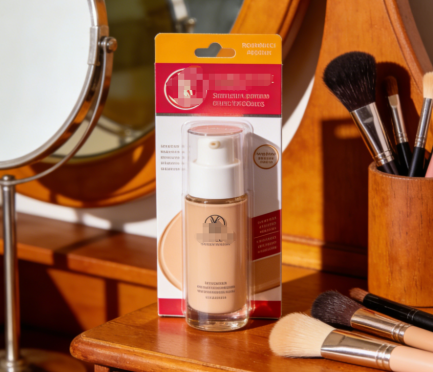
बारकोड के हो र सौन्दर्य ब्रान्डहरूको लागि यो किन महत्वपूर्ण छ
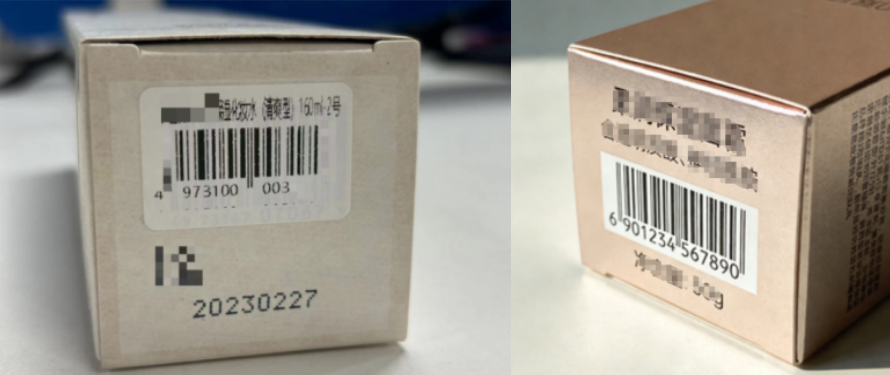
बारकोड मेसिन-पठनीय प्रतीक हो जसले भौतिक उत्पादनलाई यसको डिजिटल पहिचानसँग जोड्दछ। जब स्क्यान गरिन्छ, यसले खुद्रा विक्रेता, गोदाम, र पूर्ति प्रणालीलाई तपाईंको उत्पादनलाई तुरुन्त पहिच
सौन्दर्य र छालाको हेरचाह ब्रान्डहरूको लागि, बारकोडहरू समर्थन गर्दछन्:
- • छिटो चेकआउट र कम स्क्यानिङ त्रुटिहरू
- • सटीक सूची र ब्याच ट्र्याकिङ
- • खुदरा र बजार अनुपालन
- • अधिक व्यावसायिक ब्रान्ड प्रस्तुति
लगातार स्क्यान गर्ने बारकोडले तपाईंको ब्रान्डको प्रतिष्ठा र तपाईंको खुद्रा सम्बन्ध दुवै रक्षा गर्द
के कोस्मेटिक उत्पादनहरूलाई बारकोडको आवश्यकता हुन्छ?
सबै बिक्री च्यानलहरूलाई बारकोडहरू आवश्यक छैनन्, तर अधिकांश खुद्रा-केन्द्रित ब्रान्डहरूलाई उनीहरू बढ्दा त
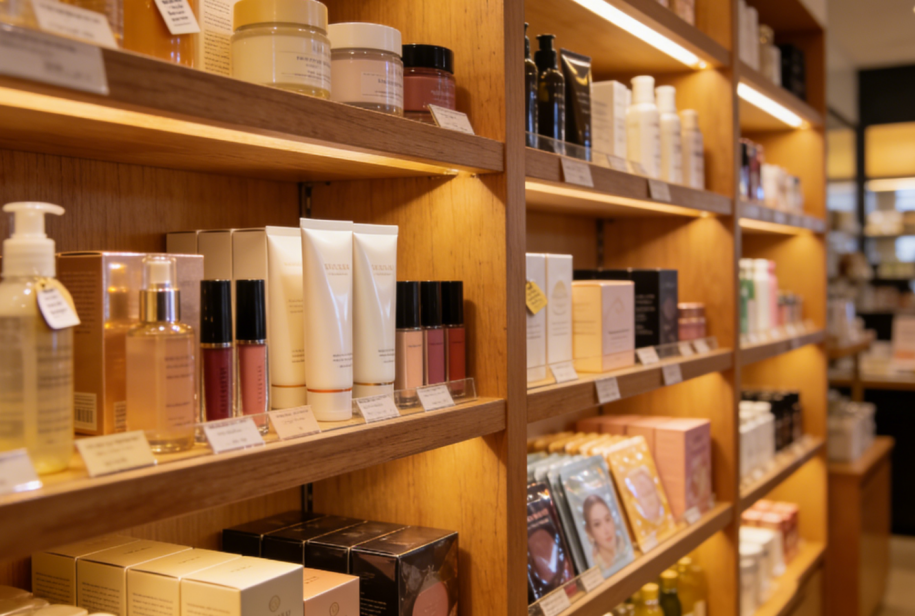
बारकोडहरू आवश्यक छन् जब तपाईं बेच्नुहुन्छ:
- ✅ ठूला खुदरा विक्रेता र फार्मेसी श्रृंखलाहरू
- ✅ अमेजन जस्ता अनलाइन बजारहरू
- ✅ इलेक्ट्रोनिक पीओएस प्रणाली प्रयोग गर्ने बुटीहरू
- ✅ पूर्ति केन्द्रहरू वा 3PL साझेदारहरू
जब तपाईं निम्न माध्यमबाट मात्र बेच्नुहुन्छ भने बारकोडहरू आवश्यक हुन सक्दैनन्:
- ✅ तपाईंको आफ्नै प्रत्यक्ष उपभोक्ता वेबसाइट
- ✅ शिल्प मेला वा पप-अप कार्यक्रमहरू
- ✅ पीओएस प्रणाली बिना साना स्थानीय पसलहरू
यदि तपाईं स्केल गर्ने योजना बनाउनुहुन्छ भने, बारकोडहरू प्रारम्भिक रूपमा लागू गर्नु उत्तम छ। प्रतीक्षा गर्ने ब्रान्डहरूले प्रायः पछि महँगो पुनः लेबलिंगको सामना गर्छन्।
सौंदर्य प्रसाधन उत्पादनहरूको लागि सही बारकोड प्रकार छनौट गर्नुहोस्
खुदरा सौंदर्य प्रसाधन उत्पादनहरूलाई सामान्यतया यूपीसी वा ईएएन बारकोडहरू आवश्यक हुन्छन्, जबकि आन्तरिक ट्र्याकि
सामान्यतया संयुक्त राज्य अमेरिकामा खुदरा चेकआउटमा पाइन्छ। लिपस्टिक, फाउन्डेसन, स्किनकेयर बोतलहरू, र बक्सेड कस्मेटिक जस्ता व्यक्तिगत वस्तुहरूमा व्यापक रूपमा लागू गर
युरोप र धेरै अन्तर्राष्ट्रिय बजारमा खुदरा बिक्रीको लागि प्रयोग गरिन्छ। प्रायः अमेरिका बाहिर बेच्दा उही उत्पादनहरूमा लागू हुन्छ।
आन्तरिक ट्र्याकिङ, ब्याच नम्बर, वा गोदाम प्रयोगको लागि आदर्श। खुद्रा चेकआउटको लागि उद्देश्य छैन।
प्रायः उपभोक्ताको सामना गर्ने सामग्री प्रदान गर्न थपिन्छ, जसमा घटक विवरण, प्रयोग निर्देशनहरू, ट्युटोर
धेरै सौंदर्य प्रसाधन ब्रान्डहरूले खुद्रा चेकआउटको लागि यूपीसी वा ईएएन राख्छन्, र सामग्री, निर्देशनहरू, वा ब्रान्ड सामग्री
सौंदर्य प्रसाधन उत्पादनहरूको लागि जीएस१ बारकोड आवश्यकताहरू
खुदरा विक्रेता र प्रमुख बजारप्लेसहरूलाई प्रायः विश्वव्यापी रूपमा अद्वितीय बारकोड नम् जीएस१ले यी अद्वितीय उत्पाद पहिचानकर्ताहरू जारी गर्दछ, जुन जीटीआईएन भनिन्छ, जुन उत्पाद सूची र खुदरा प्रमा
जब तपाईं जीएस१ मा दर्ता गर्नुहुन्छ, तपाईंलाई कम्पनीको उपसर्ग प्राप्त हुन्छ। त्यसपछि तपाईं प्रति SKU एउटा अद्वितीय GTIN असाइन गर्नुहुन्छ, जस्तैः
- प्रत्येक लिपस्टिक छाया
- प्रत्येक आकार वा सूत्र
- प्रत्येक किट, बन्डल, वा मल्टीप्याक
GTIN पहिचानकर्ता हो जुन अनुपालनको लागि महत्वपूर्ण छ। प्याकेजिङमा छापिएको बारकोड (यूपीसी वा ईएएन) केवल स्क्यान योग्य प्रतीक हो जुन त्यो जीटीआईएनको प्रतिनिध
खुदरा विक्रेताहरूले उत्पादन सूचीहरू प्रमाणित गर्न, उनीहरूको डाटाबेसमा उत्पादनहरू सही ढंगले मिलान गर्न, र चेकआउट र सूची प्रणाली तिनीहरू बिना, उत्पादनहरू स्क्यान गर्न सक्छन् तर पछि प्रमाणीकरण असफल हुन्छ।
सौंदर्य प्रसाधन ब्रान्डहरूको लागि व्यावहारिक जीएस१ योजना सुझावहरू
प्रारम्भिक योजनाले अनुपालन जोखिम कम गर्दछ र अन्तिम मिनेटका परिवर्तनहरूलाई रोक्दछ। बारकोड असाइन गर्नु अघि:
यस दृष्टिकोणले सौंदर्य प्रसाधन ब्रान्डहरूलाई नयाँ खुदरा च्यानलहरू र अन्तर्राष्ट्रिय बजारहरूमा बारकोड अब, यी सिद्धान्तहरूलाई चरण-दर-चरण कार्यान्वयन गाइडको साथ कार्यमा परिणत गरौं।
चरण-दर-चरण: सौंदर्य प्रसाधन उत्पादनहरूको लागि बारकोडहरू लागू गर्ने
एक पटक तपाईंले जीएस१ आवश्यकताहरू बुझ्नुभएपछि, अर्को चरणले ती नियमहरूलाई व्यावहारिक बारकोड सेटअपमा यो सौंदर्य प्रसाधन बारकोड लेबलिंग प्रक्रिया सही क्रममा सम्पर्क गर्दा सरल हुन्छ।
आफ्नो उत्पादन र SKU संरचना परिभाषित गर्नुहोस्
कुनै पनि नम्बर निर्दिष्ट गर्नु अघि, स्पष्ट रूपमा आफ्नो उत्पादन र भिन्नताहरू सूचीबद्ध गर् प्रत्येक अद्वितीय SKU जस्तै छाया, आकार, सूत्र, वा बन्डल आफ्नै GTIN आवश्यक छ। यसले डुप्लिकेटहरूलाई रोक्छ र खुद्रा वा बजार प्रणालीहरूमा द्वन्द्वहरू रोक्छ।
जीएस१ मा दर्ता गर्नुहोस् र आफ्नो कम्पनीको उपसर्ग प्राप्त गर्नुहोस्
जीएस१ मा दर्ता गर्दा तपाईंको ब्रान्डलाई कम्पनीको उपसर्ग प्रदान गरिन्छ, तपाईंको सबै जीटीआईनको आधार। यो उपसर्गले तपाईंको ब्रान्डलाई खुद्रा र रसद सञ्जालहरूमा वैध मालिकको रूपमा पहिचान गर्दछ।
सही प्याकेजिङ स्तरमा GTINs आवंटन गर्नुहोस्
उपयुक्त प्याकेजिङ स्तरमा GTINs असाइन गर्न आफ्नो GS1 कम्पनी उपसर्ग प्रयोग गर्नुहोस्। अधिकांश सौंदर्य प्रसाधन ब्रान्डहरूले उपभोक्ता इकाई स्तरमा असाइन गर्दछन्, जबकि बाहिरी कार्टन वा मल्टीप्याकहरू
उपयुक्त बारकोड ढाँचा चयन गर्नुहोस्
तपाईंको प्याकेजिङ र बिक्री च्यानलहरूमा फिट हुने बारकोड ढाँचा छनौट गर्नुहोस्। युपीसी र ईएएन ढाँचाहरू खुद्राका लागि मानक हुन्, जबकि कम्प्याक्ट प्याकेजिङले डिजाइनलाई समझौता बिना स्क्यान वि
बारकोडहरू डिजाइन र मुद्रण गर्नुहोस्
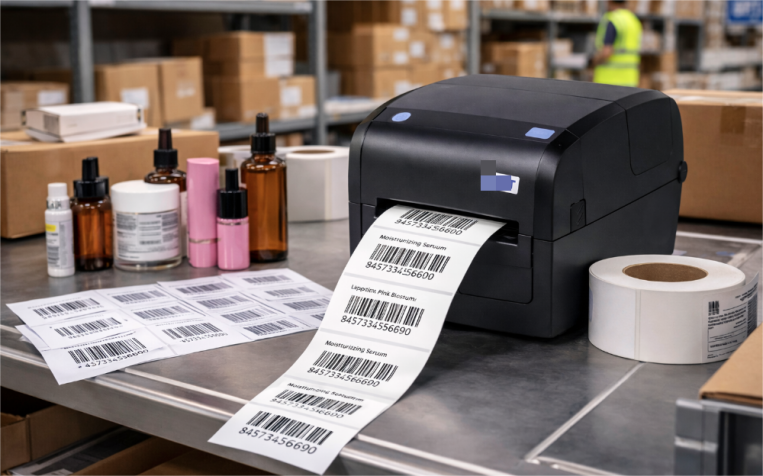
उपयुक्त चयन गर्दा व्यावसायिक लेबल सफ्टवेयर प्रयोग गरेर कस्मेटिक र मेकअप बारकोड लेबल डिजाइन गर्नुहोस् (न्यूनतम ०.८ मिमी एक्स-आयाम, १०ः१ शा बारकोड प्रिन्टर र सौन्दर्य र छालाको हेरचाह उत्पादनहरूको लागि टिकाऊ बारकोडहरू सुनिश्चित गर्न उपयुक्त उपभोग्
उत्पादन र सुरु गर्नु अघि बारकोडहरू परीक्षण गर्नुहोस्
खुद्रा-ग्रेड स्क्यानरहरू प्रयोग गरेर र यथार्थवादी अवस्थाहरूमा बारकोडहरू सधैं परीक्षण गर्नुहो सामूहिक उत्पादन अघि परीक्षणले स्थान, विपरीत, वा सतह समस्याहरू पहिचान गर्न मद्दत गर्दछ जसले स्टोर वा गोदामहरूम
सौंदर्य प्रसाधन उत्पादनहरूको लागि बारकोड प्रिन्ट र स्क्यान प्रदर्शन मानकहरू
जीएस१-अनुरूप बारकोडहरूले खुद्रा वातावरणमा विश्वसनीय रूपमा प्रदर्शन गर्नका लागि व्यावहारिक प्रिन्ट र स्क्यान मापदण्डहरू पनि पूरा गर्नुपर्दछ, ज
इष्टतम आयामहरू
विकृति बिना मानक यूपीसी/ईएएन अनुपात प्रयोग गर्नुहोस् लिपस्टिक ट्यूबहरू जस्ता साना वा घुमावदार सतहहरूमा स्पष्ट बार
शान्त क्षेत्रहरू
सबै पक्षमा पर्याप्त स्पष्ट ठाउँ (सामान्यतया ५ गुणा बार चौडाई) सुनिश्चित गर्नुहोस् ताकि लेजर वा इमेजिङ स्क्
मुद्रण रिजोल्युसन
तीक्ष्ण किनारहरूको लागि न्यूनतम ३०० डीपीआई; सधैं वास्तविक सब्सट्रेटहरूमा प्रमाण (ग्लास, प्लास्टिक, पन्नी) स्याही फैलाउने वा फेडिङ पकड्न।
विपरीत र सब्सट्रेट नियमहरू
म्याट पृष्ठभूमिमा उच्च कालो-सेतो अनुपात प्रतिबिम्बित कोटिंग्स, धातु चमक, वा व्यस्त ढाँचाहरूबाट दूर रह्नुहोस् जुन स्टो
आईडीपीआरटीले कसरी सौन्दर्य र त्वचाको हेरचाह बारकोड मुद्रणलाई समर्थन गर्दछ
खुद्रा र बजार च्यानलहरू मार्फत बेच्ने कॉस्मेटिक ब्रान्डहरूको लागि विश्वसनीय बारकोड मुद्रण आवश्यक छ
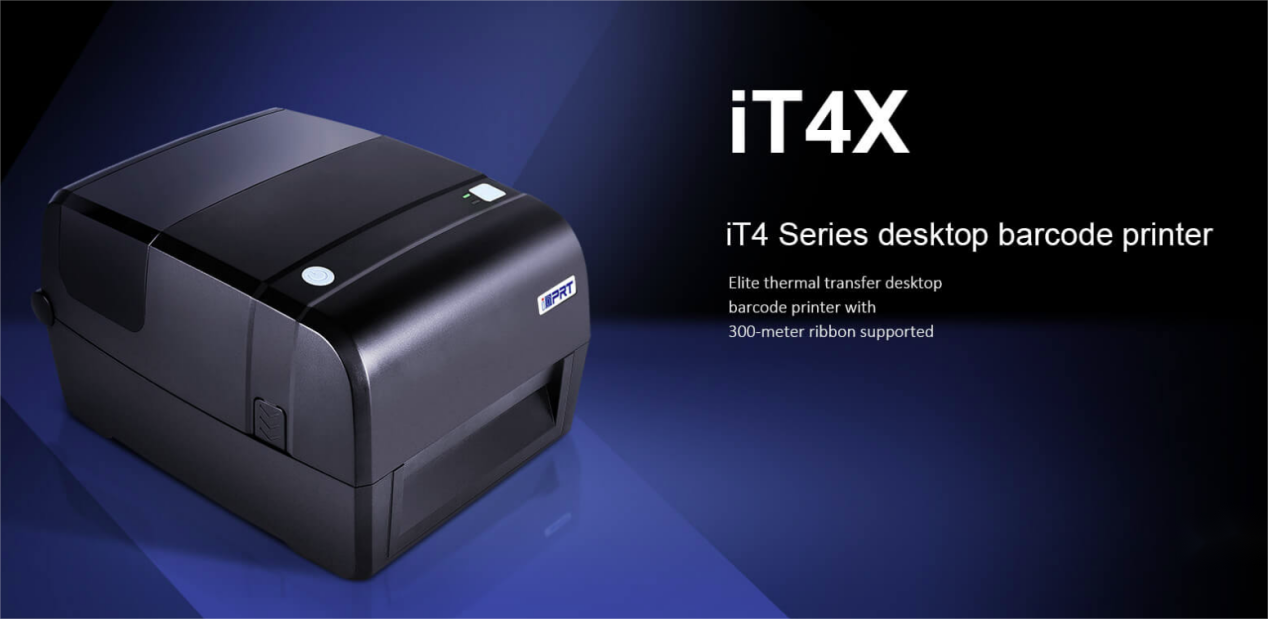
एआईडीसी हार्डवेयर आपूर्तिकर्ताको रूपमा, आईडीपीआरटीले खुद्रा र रसद वातावरणका लागि बारकोड मुद्रण र स्क्यानिंग सम हामी सौंदर्य प्रसाधन र सौन्दर्य ब्रान्डहरूसँग काम गर्दछौं ताकि बारकोडहरू स्पष्ट, लगातार र विश्वसनीय रूपमा छापिएका ह
साना र मध्यम आकारका व्यवसायहरू, घरेलू व्यवसायहरू, र ई-वाणिज्य विक्रेताहरूको लागि, आईडीपीआरटी आईटी४एक्स व्यावहारिक र लागत प्रभावी छ ४ इन्चको बारकोड प्रिन्टर सौंदर्य प्रसाधन र मेकअप उत्पादनहरूको लागि।
सौंदर्य प्रसाधन ब्रान्डहरूको लागि iT4X को प्रमुख फाइदाहरूः
-
✅
उच्च रिजोल्युसनको आउटपुट: ३०० डीपीआई सम्म, साना लेबलहरू र घुमावदार सौंदर्य प्याकेजिङमा तीक्ष्ण, पठनीय मेकअप बारकोड लेबलहरू प्रदा
-
✅
थर्मल ट्रान्सफर टेक्नोलोजी: टिकाऊ, दीर्घकालीन प्रिन्ट गुणस्तर, लेपित कागज, सिंथेटिक लेबल, र फिल्म-आधारित बोतल वा ट्यूबहरू जस्ता सामान
-
✅
प्रदर्शन: छिटो र लगातार मुद्रण, स्पष्टता बलिदान बिना ब्याच उत्पादन समर्थन
-
✅
अनुकूलता: प्रमुख अपरेटिङ सिस्टम र सामान्य खुदरा र गोदाम कार्यप्रवाहहरूसँग काम गर्दछ
-
✅
निःशुल्क सफ्टवेयर: डिजाइन र मुद्रण सफ्टवेयर समावेश गर्दछ जसले ब्याच मुद्रण, चर डाटा, र ब्रान्ड लोगोहरू सक्षम गर्दछ
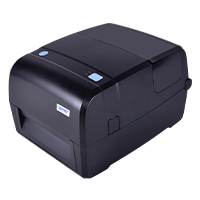
- संकल्प: 203dpi, 300dpi वा 600dpi
- मुद्रण गर्नुहोस्\nविधि: प्रत्यक्ष थर्मल र स्थानान्तरण थर्मल
- अधिकतम।\nमुद्रण गति: प्रतिक्रियाको लागि स्वीकार गर्नुहोस्\n६०० डीपीआई
- अधिकतम।\nमुद्रण चौडाई: 4.1"(104mm) @ 203dpi, 4.17"(106mm) @\n३००डीपीआई र ६००डीपीआई
- स्मृति: 256 एमबी फ्ल्याश / 512 एमबी र्याम
विश्वसनीय संग संयुक्त बारकोड स्क्यानरहरूआईडीपीआरटी समाधानहरूले सौंदर्य प्रसाधन ब्रान्डहरूलाई उत्पादन र गोदाम दक्षता सुधार गर्न र खुद्रा अनुपालन
यदि तपाईं खुद्रा वा बजार बिक्रीको लागि सौंदर्य प्रसाधन उत्पादनहरू तयार गर्दै हुनुहुन्छ भने सम्पर्क गर्नुहोस् तपाईंको प्याकेजिङ र उत्पादन आवश्यकताहरूको अनुरूप बारकोड मुद्रण समाधानहरूको बारेमा छलफल गर्न iDPRT।
प्रायः सोधिने प्रश्नहरू (FAQ)
प्रश्न १: सौन्दर्य र छालाको हेरचाह उत्पादनहरूलाई कुन बारकोडको आवश्यकता छ?
अधिकांश खुदरा सौन्दर्य उत्पादनहरूलाई GS1 द्वारा जारी गरिएको GTIN मा आधारित UPC वा EAN बारकोड आवश्यक हुन्छ।
प्रश्न २: के सौंदर्य प्रसाधन उत्पादनहरूलाई जीएस१ बारकोडहरू आवश्यक छन्?
हो । प्रमुख खुदरा विक्रेता र बजारप्लेसहरूलाई द्वन्द्व र अस्वीकारलाई रोक्नका लागि जीएस१-अनुरूप बारकोड
प्रश्न ३: कस्मेटिक बारकोड कति आकारको हुनुपर्छ?
मानक युपीसी आकारले सबैभन्दा राम्रो काम गर्दछ, तर उचित शान्त क्षेत्रहरूको साथ उच्च रिजोल्युसनमा मुद्रित भएम
प्रश्न ४: के म सौन्दर्य प्याकेजिङमा सिधै बारकोडहरू छाप्न सक्छु?
हो, जबसम्म सतह सपाट छ, उच्च-विपरीत छ, र पर्याप्त रिजोल्युसनको साथ मुद्रित छ।
प्रश्न ५: कोस्मेटिक बारकोड लेबलहरूको लागि कुन प्रिन्टरले सबैभन्दा राम्रो काम गर्दछ?
थर्मल बारकोड प्रिन्टरहरू तिनीहरूको स्पष्टता, स्थायित्व, र स्थिरताको कारण सौंदर्य प्रसाधन लेबलहरूको लागि व
एक व्यावहारिक लपेट्नुहोस्
सही बारकोडिङले सौन्दर्य र छालाको हेरचाह उत्पादनहरूलाई उत्पादन, रसद र खुदरा मार्फत सुचारू रूपमा सार्न सही बारकोड प्रकार, प्रिन्ट गुणस्तर, र लेबल डिजाइनको साथ, ब्रान्डहरूले स्क्यानिङ समस्याहरूबाट बच्न सक्दछन् र